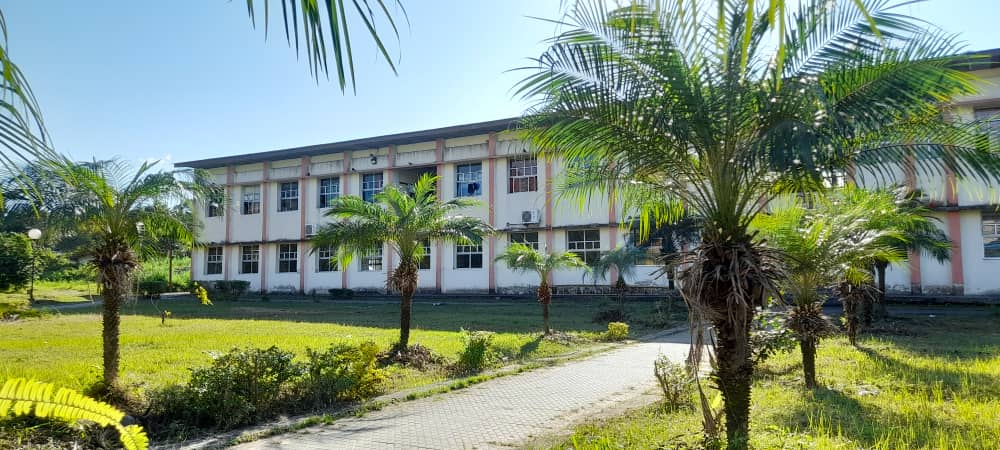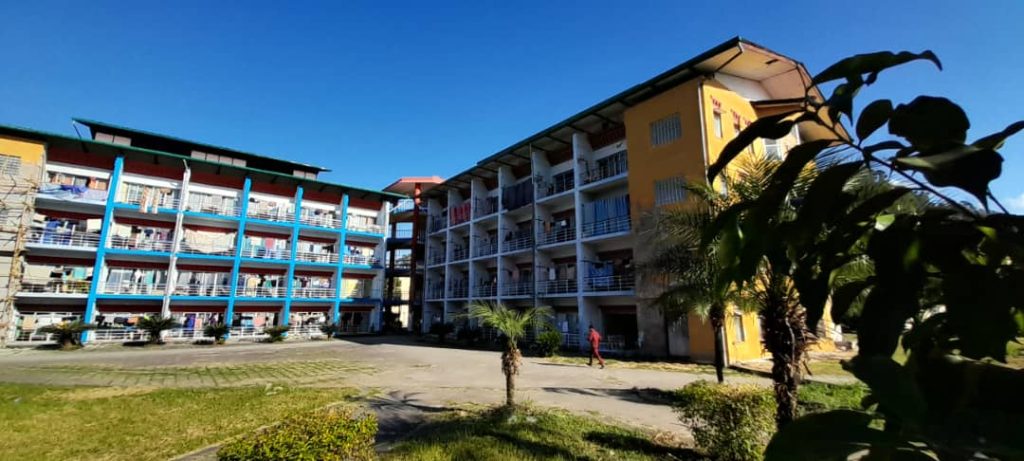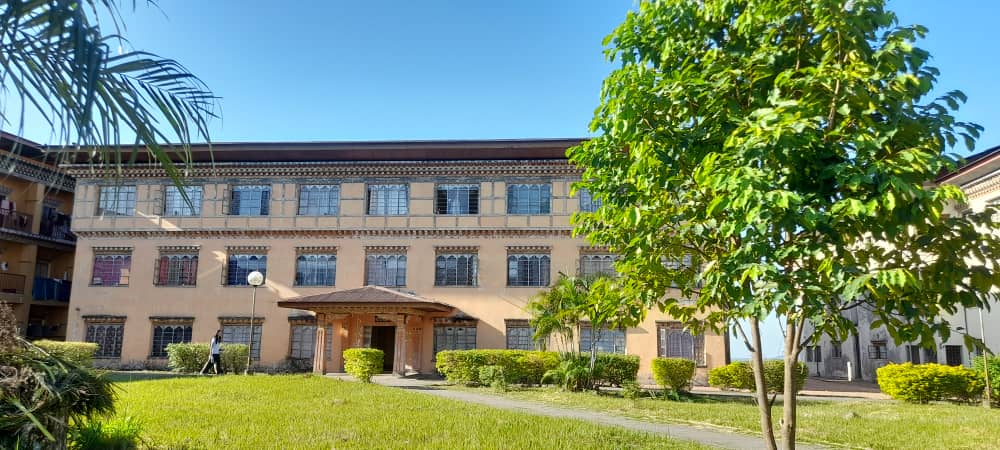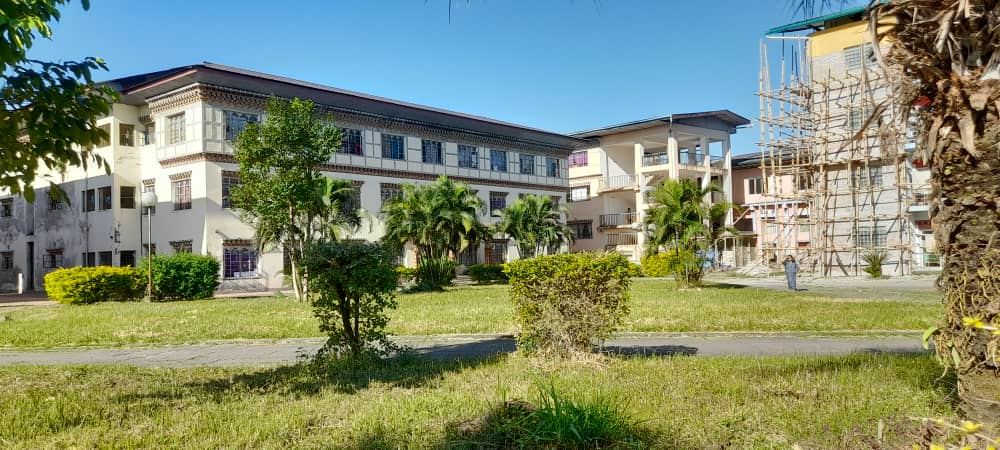
The accommodation setup significantly shapes student life at the College of Science and Technology (CST). The three types of accommodation are Boarding (Centrally Catered), Self-Catering, and Day-scholar—represent different levels of self-sufficiency and proximity to the college.
1. Boarding Facility (Centrally Catered Hostels)
This is the most common type of student accommodation at CST, representing the traditional, fully residential college experience.
-
Facilities: Students are housed in shared dormitory rooms within the residential blocks. The minimum room facilities typically include a bed, study table, chair, book rack, and wardrobe per student, as per the Royal University of Bhutan (RUB) policy.
-
Meal Arrangement: This is the key characteristic. Meals (breakfast, lunch, and dinner) are provided from a common mess or dining hall managed by the College. Students pay a set fee for their meal plan.
-
Target Group: This facility is generally the default option for the majority of students, especially first-year undergraduates, and those on government scholarships.
-
Lifestyle: It offers the most convenient and structured living arrangement, reducing the time and expense spent on grocery shopping and cooking. It fosters a strong sense of community as most students share meals and live within the college’s main residential blocks.
2. Self-Catering Accommodation (Lhawang Building)
The self-catering option offers students more independence and is often located in specific hostel blocks, such as the Lhawang Building.
-
Facilities: Students are typically housed in shared rooms, but the key feature is that the accommodation block or floor provides shared kitchen and cooking facilities for the residents.
-
Meal Arrangement: Students are responsible for buying their own groceries and cooking their own meals. This requires more time management and budgeting skills but offers flexibility in dietary choices and eating times.
-
Target Group: This option is usually available to third year students especially male.
-
Lifestyle: This option promotes greater autonomy and self-reliance. It can be more cost-effective for students who are good at budgeting and cooking, but requires them to manage their own food, utility, and cooking supply costs.
3. Dayscholar (Private Residency/Accommodation)
Dayscholar refers to students who do not reside in the college’s official hostel facilities and live off-campus.
-
Residence: Dayscholars reside in private accommodations (rented rooms, apartments, or with family) outside the college campus.
-
Meal Arrangement: They are fully responsible for their own lodging and meals, which are entirely self-managed in the private residences. They may use the college cafeteria or dining hall on a pay-per-meal basis if permitted.
-
Target Group: This option is the least common for full-time students. It is typically opted for by students whose permanent residence is in Phuentsholing near the college, or in cases where hostel accommodation cannot be provided due to the College’s capacity limits.
-
College Access: Dayscholar students are still full members of the college community and have access to all academic facilities, such as the library, labs, and sports grounds, but their primary residence is outside the college’s jurisdiction. They must abide by all college rules and schedules, including attendance.
The choice of accommodation is often subject to the RUB Student Accommodation Policy, which typically prioritizes first-year students and those on government scholarships for on-campus residency.